Intelligence Systems
Here at Scrut.Hut Game Studio, LLC our Goal is to Develop Modern Intelligence Systems with Adaptive Behavior using current Design Patterns.
Intelligent Systems can support games, simulations, automation, data analysis, data generation, and cognitive decision making software. They process information from environments or datasets, recognize patterns in both individual records and sequences of events, assess whether data fits a category, and select appropriate responses. Fuzzy logic allows systems to reason flexibly with conditions such where categories can overlap using statistically driven models, such as inference engines.
Intelligent Systems is a broad field of technology that combines statistics, machine learning, and deep learning. We are focusing on artificial neural networks, genetic algorithms, and fuzzy logic. These technologies make it possible to build systems that assess data, recognize patterns, generate sequential and pattern-oriented information, automate behavior, adapt to changing conditions, and support cognitive style decision making.
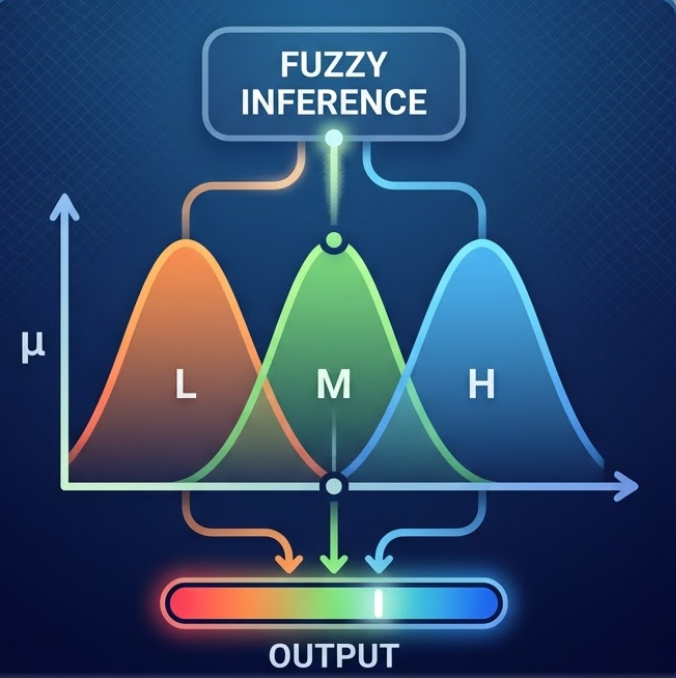

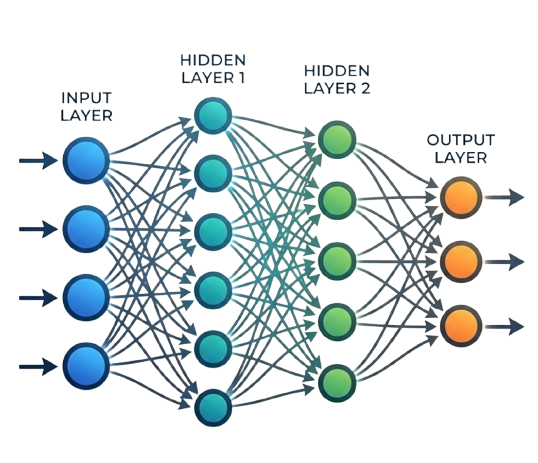
Artificial Intelligence refers to computer systems engineered to simulate human cognitive functions, such as learning, reasoning, pattern recognition, and problem-solving. Instead of relying strictly on static, manually written rules, modern AI uses machine learning algorithms and neural networks to analyze large volumes of data, detect patterns, and dynamically adapt to new information. This allows systems to perform complex tasks autonomously, ranging from processing natural language to making real-time predictive decisions.
In the software industry, AI serves as an essential tool embedded directly into the software development lifecycle. Developers use AI-powered coding assistants to auto completing functions, refactor legacy code bases, generate unit tests, and translate code across different programming languages. Beyond direct coding, machine learning models automate quality assurance by predicting where bugs are likely to occur, running automated visual tests, and scanning for security vulnerabilities long before code hits production.
Additionally, AI powers the operational and end-user capabilities of software platforms. Engineers use predictive AI models within cloud systems to automatically monitor performance telemetry, forecast server loads, and scale infrastructure dynamically to prevent outages. In customer-facing applications, AI enables personalization engines, intelligent search features, dynamic recommendation algorithms, and conversational interfaces that adapt tailored experiences to individual users in real time.
The importance of AI to the software industry lies in its ability to dramatically increase speed, efficiency, and scale. By taking over repetitive coding, debugging, and testing tasks, AI allows software engineers to focus on high-level architecture, creative problem-solving, and product design. Ultimately, this leads to faster release cycles, higher software reliability, reduced development costs, and the capability for small engineering teams to build enterprise-grade applications.
Copyright © 2026 Scrut.Hut Game Studio, LLC. All Rights Reserved. Privacy Policy